
Start with the luggage list
Write down the items that travel together, including their external dimensions. A hard case cannot compress into an awkward corner, and a pushchair folded in one configuration may need more room when accessories remain attached. Identify which items are daily essentials and which are occasional extras.
Keep the passenger requirement beside the list. A photograph with the rear backrests folded may be irrelevant to a family needing all occupied seats. For a dealer, two customer profiles may justify two different demonstrations instead of one broad claim that the car has a large boot.
Measure the opening and useful floor
Ask for the narrowest loading width, opening height, floor length and any major intrusion into the load area. A clear photograph showing the measuring points is better than an unexplained number. Request the measurement with the boot in the configuration intended for handover, including its actual floor and accessories.
Do not calculate a supposed official volume from a few straight-line measurements. The useful outcome is whether named objects fit securely in a normal arrangement. If the supplier quotes a volume, ask which vehicle and measurement convention it describes, then retain it as a separate reference.
Keep the correct version in view
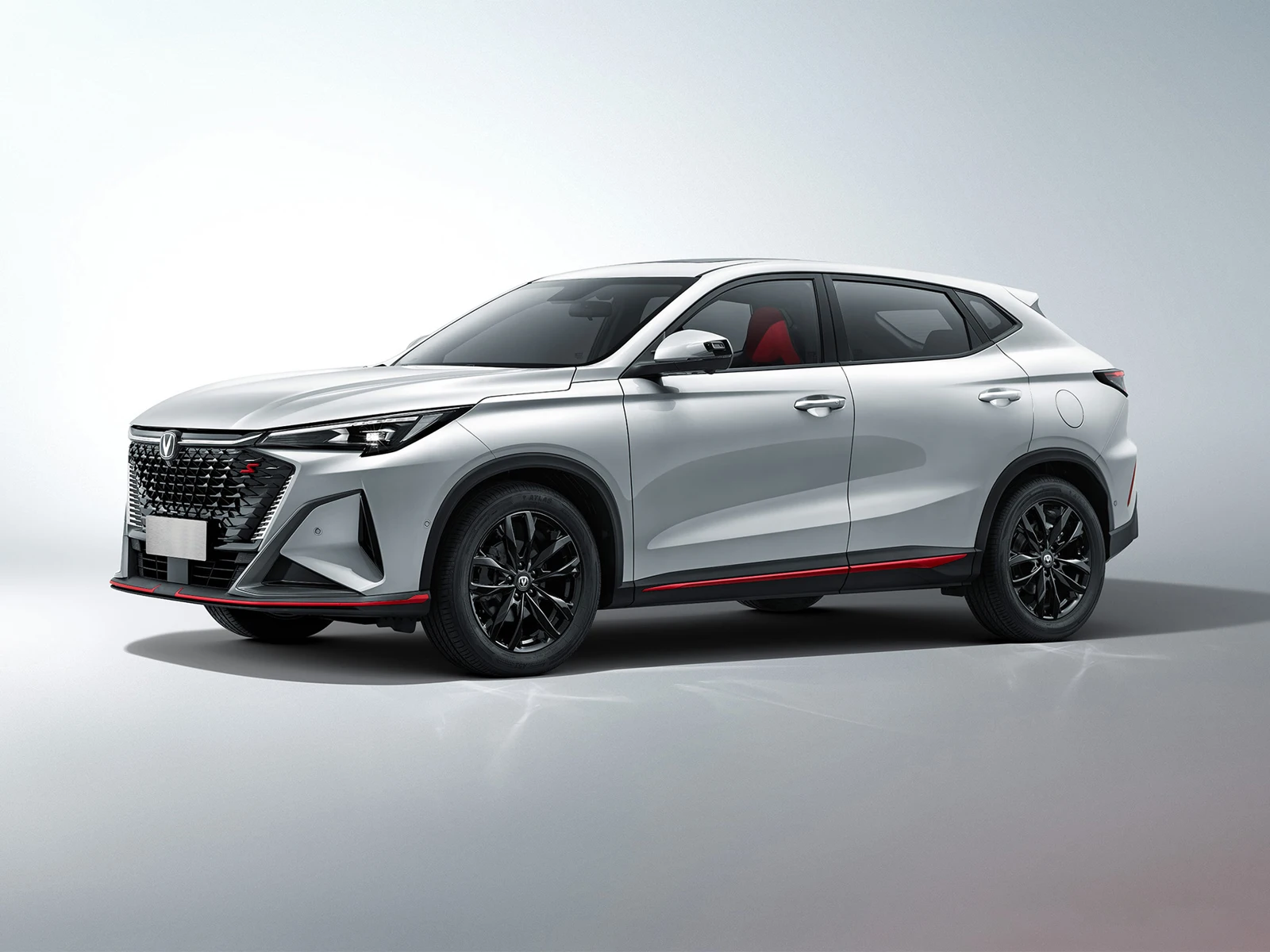
An X5 image may be reused in a loosely written X5 PLUS listing. Check the body, original model description and build details before comparing cargo photographs. The vehicle specification record should describe the actual candidate rather than whichever brochure has the most appealing figure.
Regional manufacturer photographs can establish model context, but they do not show the offered car’s accessories or repairs. If a boot floor, seat assembly or trim panel differs from the reference, have the difference explained. A modified arrangement should not silently become the specification supplied to a retail buyer.
Passenger and cargo tasks must work in the same normal arrangement. The rear-seat purchase review prevents approval from separate incompatible seating and loading demonstrations.
Test loading as a real task
Where possible, demonstrate the customer’s own luggage or dimensionally equivalent items. Show the seats in their normal occupied positions, the parcel cover if used, and whether the tailgate closes without forcing anything. Keep loose objects and load restraint within the applicable vehicle instructions. If regular access involves a steep entrance, include the loaded road-clearance review in the same practical brief.
Think about access as well as capacity. A buyer lifting work equipment several times a day may care about the loading lip and reach to the back of the floor. The broader daily-use review connects the boot test with seating comfort, parking and the way the vehicle will actually earn its place.
Inspect the equipment that makes space usable
On a used candidate, check the condition and operation of the fitted seat latches, tailgate, load cover and floor supports. Missing equipment can change the practical result and the preparation budget. Ask the assessor to describe damage or repairs around the load area, without assuming that every mark proves heavy commercial use.
A video should show operation continuously enough to be understandable, not only a staged final arrangement. If an electric tailgate is claimed, verify that equipment on the actual vehicle. The inspection scope should list any unresolved latch, warning or trim concern for appropriate follow-up.
Compare two candidate arrangements
Suppose one car accepts the required cases beneath the cover while another needs the cover removed. That is a meaningful difference even if their advertised capacities look similar. Ask whether the customer values concealment, everyday access or carrying the occasional larger item most.
For a family, leaving one rear seat folded may not be a usable compromise. For a business customer carrying samples alone, it might be acceptable. Describe the arrangement and its limitation directly; do not turn a successful test in one seating layout into a promise for every passenger combination.
If a rigid case is close to the opening limit, ask for the narrowest point to be measured rather than the widest visible span. Include handles and wheels in the item dimensions. This small clarification can prevent an apparently successful floor-space comparison from failing at the loading opening, especially when the customer needs to load the same equipment several times each week.
If a CS35 PLUS joins the shortlist, the purchase comparison tests the same passenger and bag arrangement rather than infer loading advantage from model numbers or unmatched published volumes.
Put the loading requirement into the order
Send item dimensions, passenger count and any mandatory accessories with the enquiry. State whether demonstration photographs, measurements or an in-person loading check are required before acceptance. Ask for the selected vehicle’s equipment to be retained through preparation and handover.
For new proposals, confirm that the promised accessories form part of the delivery specification. For used offers, separate included equipment from replacements still to be sourced. A supplier substitution needs the same loading review if the body, seats or floor arrangement changes; a matching model badge alone does not close the requirement.
Manufacturer references
These sources support specific model statements. Candidate condition and transaction details need their own evidence.
State the requirement, the evidence needed and the decision that depends on it.
Build your X5 PLUS brief