
Write the use case before the trim preference
Ask how many people normally travel, what they carry and where the car will be parked and serviced. A buyer making urban journeys may prioritise visibility and easy controls, while another needs a particular luggage task or cabin arrangement. State those needs in concrete terms instead of asking for the best version without a definition.
Keep styling preferences separate. An attractive colour or red-accented reference image can introduce the model, but it does not establish whether a used candidate fits the intended work. The specification record should capture the actual equipment behind the offer.
For customers comparing running expenses, the X5 PLUS fuel-cost worksheet separates observed consumption from assumptions about the next owner’s route.
Check seating in realistic positions
Verify the supplied seat configuration and ask for access and adjustment to be demonstrated. Position the front seats realistically when assessing the remaining room. Photographs taken with seats moved to extremes may not represent how the customer intends to use the cabin.
Where a child-seat or other restraint-related requirement matters, consult the applicable vehicle and equipment instructions with the responsible specialist. Do not infer universal compatibility from an anchor visible in a picture. The purchasing brief should identify what needs confirmation without making a safety claim the available evidence cannot support.
For a UNI-T alternative, the two-vehicle purchase review repeats the actual seating and loading tasks rather than assigns comfort from the cabin design or shared brand.
Where three adults must regularly use the rear seat, the passenger-fit assessment keeps approved positions, actual occupants and normal front-seat setup together rather than rely on capacity alone.
Assess the actual luggage task
Describe the objects to be carried and request measurements or a demonstration of the relevant opening and load area. A nominal volume may not explain the shape, loading access or space remaining with passengers seated. Check the seat-folding mechanism and record any missing cover or accessory.
If loading dimensions determine suitability, make them an explicit requirement. An unverified reference number should not enter the customer's expectations as a measured fact. Keep the result connected to the candidate rather than assuming all similarly named X5 and PLUS vehicles have an identical practical arrangement.
For buyers with a pushchair, work cases or bulky luggage, use the X5 PLUS loading checklist to request dimensions and a repeatable demonstration.
Include parking and traffic conditions
Demonstrate mirrors, the driver's view and parking equipment where fitted. Record the function and image quality rather than counting visible sensors. Ask the inspector to assess relevant low-speed operation in a suitable setting and explain any conditions that could not be tested.
Use the powertrain assessment to interpret behaviour against the installed combination. Avoid deciding suitability solely from an acronym such as DCT or a sales claim of sporty handling. The actual condition and the ability to support the vehicle matter alongside the intended driving pattern.
For steep entrances or repeated speed humps, add the road-clearance assessment rather than relying on the SUV body style as evidence of access suitability.
A useful assistance preference needs more than a package name. The driver-assistance purchase guide keeps actual functions, safe observation and support alongside the ordinary use requirement.
A city bay can fit the body while its approach or passenger exit remains awkward. The actual parking review assesses the whole ordinary manoeuvre and access task safely.
Review comfort and everyday controls
Cooling, ventilation, working keys and usable display functions can matter more to daily satisfaction than an extensive unverified feature list. Ask for the cabin demonstration your customers require and distinguish ordinary local functions from online services with additional dependencies.
Check tyre and suspension condition through the agreed inspection, and explain that a reference photograph does not establish the ride or comfort of the offered vehicle. If modifications are present, request an assessment of their relevance to the customer's use and local requirements before describing them as an upgrade.
A hot-climate requirement needs actual operating evidence. The climate purchase guide records relevant assessment conditions, qualified findings and receiving support without assuming a screen control proves performance.
Make the demonstration fit the question
For a luggage requirement, show the load area with the intended passenger seats in place rather than relying only on a photograph with everything folded. For a parking constraint, request the relevant measurements and visibility checks rather than a general claim that the SUV is compact. The evidence should answer the customer's actual task.
You do not need to simulate every possible journey. Select the few requirements that could change the buying decision and establish those carefully. Mark an essential check as pending if it cannot be completed, so the absence of evidence is not mistaken for a successful result.
Retain that requirement list for comparing another candidate. The use case can stay the same while the supporting measurements, demonstrations and condition evidence are collected again for the new vehicle.
Turn the use case into a sourcing rule
State which practical requirements are essential and which can be discussed. A clear brief lets a different year or trim be considered when it meets the same task, without weakening the evidence standard. Conversely, a discounted car that fails an essential requirement should remain outside that particular brief.
Use the dealer enquiry to describe the destination, quantity and normal use. The CS55 PLUS comparison can support a separate alternative when appropriate. A useful shortlist explains why each candidate fits the intended customer rather than claiming that one SUV is right for everyone.
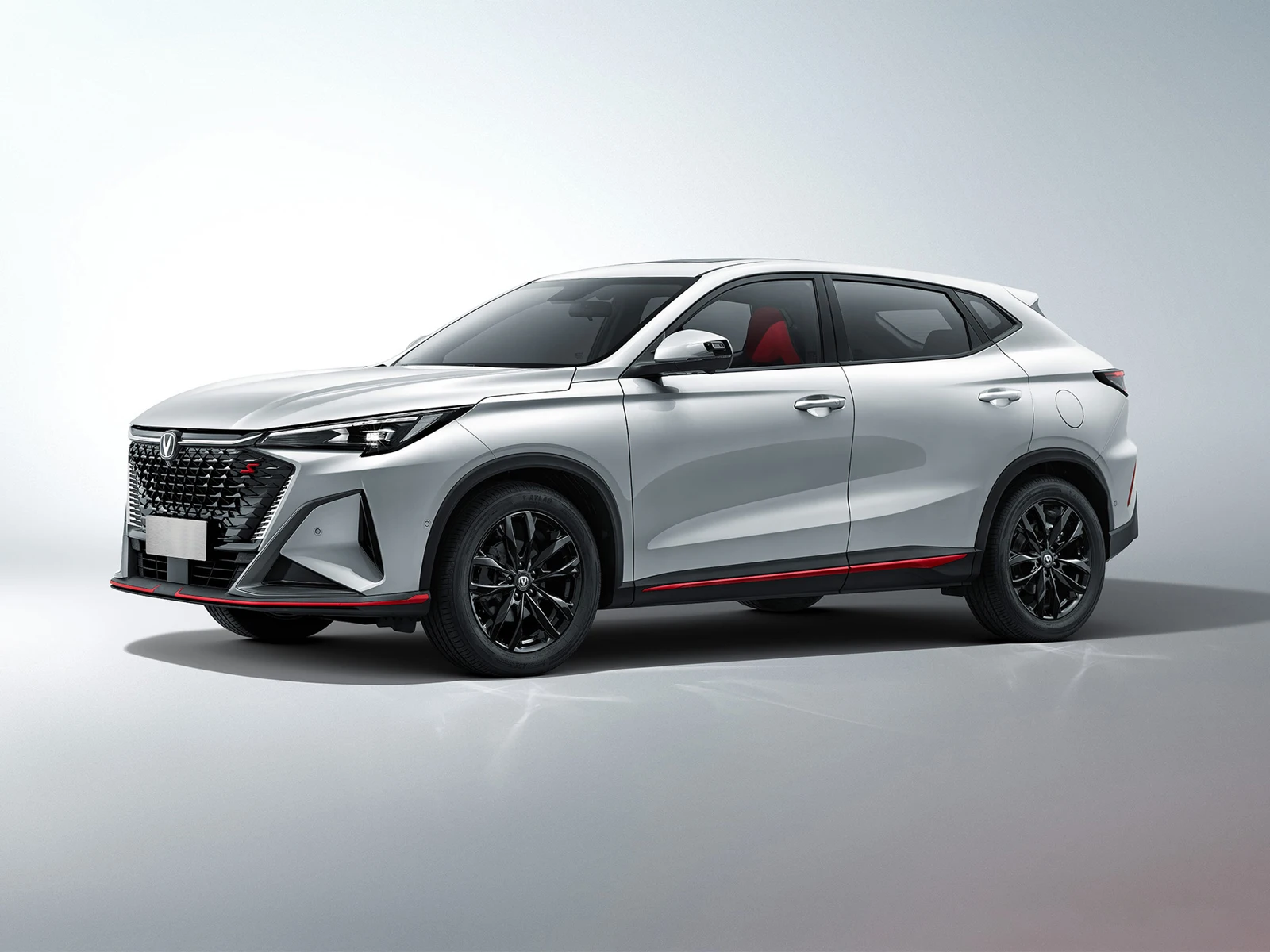
State the requirement, the evidence needed and the decision that depends on it.
Build your X5 PLUS brief