
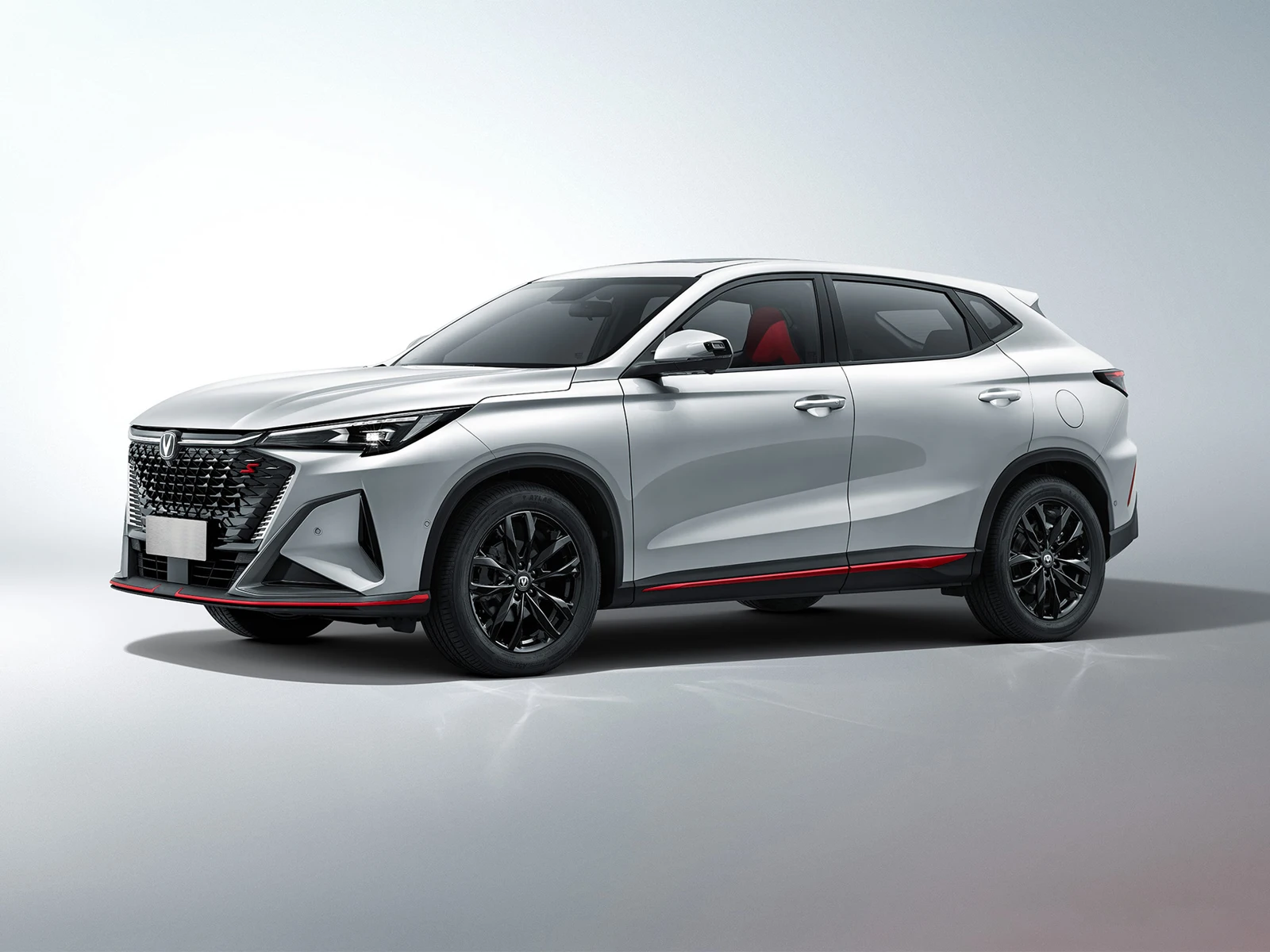
Which X5 PLUS does the figure describe?
Keep the engine, transmission, original market and build date with the fuel-use record. Changan’s Azerbaijan reference lists a 1.5T and seven-speed DCT combination for its regional X5 PLUS. That reference identifies a particular offering; it does not establish the consumption or condition of an older Oshan candidate.
Ask whether a quoted number comes from a certification document, a trip display or a refill calculation. These are different kinds of evidence. A published combined figure can help compare like-for-like test results, but it cannot predict the bill for a dealer’s customer travelling through slow traffic with air conditioning every day.
Measure a repeatable route
Request distance, fuel added, dates and a short description of the driving. A refill-to-refill record over a useful distance is more informative than a photograph taken after one favourable downhill journey. Record whether the tank-filling method was reasonably consistent and whether the odometer and fuel receipt belong to the same period.
Calculate litres per 100 km as fuel used divided by distance, multiplied by 100. An illustrative 32 litres over 400 km equals 8 L/100 km. These are demonstration inputs, not an X5 PLUS test result. Repeat the observation if one fill or an unusually short trip dominates the calculation.
Separate the customer’s journeys
A school-run customer may make several cold starts and short journeys each day. A regional salesperson may cover longer steady journeys with fewer stops. Even if they buy the same specification, one measured average should not be presented as the expected result for both.
Create two columns for the intended use: distance and assumed consumption. Weight the result by kilometres, rather than averaging two consumption figures regardless of distance. Keep unusually heavy loads, steep roads, long idling periods and seasonal cabin cooling visible. The daily-use assessment helps turn these details into a realistic customer brief.
The MG ZS purchase review separates relevant fuel and electrical observations where propulsion differs, rather than turn unlike test circumstances into a universal operating-cost advantage.
Convert energy use into a cash budget
Fuel cost per 100 km equals litres per 100 km multiplied by price per litre. Using the illustrative 8 L/100 km and a hypothetical price of 1.20 currency units per litre gives 9.60 per 100 km. At 1,500 km per month, the corresponding fuel allowance is 144 currency units.
Replace both inputs with local evidence before discussing affordability. Keep currency and date beside the fuel price, and check the required fuel grade in the applicable vehicle documentation. If the customer’s route is uncertain, show a lower and higher consumption assumption rather than disguising uncertainty inside one precise annual total.
Investigate an unexpectedly high result
A high observation is a question for inspection, not an automatic verdict on the model. Ask about tyre condition and approved fitment, load, traffic, engine temperature and the measurement period. A workshop should assess warning messages, abnormal operation or service gaps that could affect the comparison.
Do not accept an undocumented reset of the display as a repair. If work is agreed, retain the diagnosis, completed work and a subsequent comparable observation. Use the engine and gearbox review to commission appropriate checks; a fuel-use discussion should not replace assessment of mechanical condition.
Compare offers without double counting
Purchase price and fuel costs answer different questions. A cheaper used car may require immediate preparation, while a new proposal still needs delivery-condition evidence. Place known preparation costs in the vehicle quotation and keep prospective running costs in the customer budget.
For two candidates, use the same annual distance and fuel price before comparing assumptions. A small fuel difference may matter less than an identified repair or unsuitable equipment. The complete-offer comparison helps keep purchase costs, optional services and uncertain ownership expenses in separate, understandable rows.
A dealer comparing two records should also check whether both distances include the same kind of waiting. A journey log that records only moving kilometres can still include fuel burned while stationary. Ask the supplier to retain elapsed journey time beside distance where useful; this can explain a city comparison without inventing a mechanical fault or dismissing the customer’s experience.
For a Jolion alternative, the two-candidate review retains observation circumstances and supported local inputs before an economy headline becomes a claimed purchasing saving.
What should a dealer request?
Send the preferred version, new or used condition, approximate annual distance and typical journey pattern. Ask for available fuel records with their limitations, rather than requesting a guaranteed real-world number. A seller who has no repeatable observation should say so.
For a batch, avoid copying one demonstration car’s consumption into every vehicle record. Use shared test conditions where practical, but retain individual results and exceptions. The useful buying outcome is an identified vehicle and an honest operating-cost range that a retail customer can update with their own experience.
Manufacturer references
These sources support specific model statements. Candidate condition and transaction details need their own evidence.
State the requirement, the evidence needed and the decision that depends on it.
Build your X5 PLUS brief