
| What the buyer finds | Useful purchase decision |
|---|---|
| Both fit the customer’s essentials | Compare documented complete value |
| Design preference changes the choice | Try the actual practical task |
| System identity is unclear | Resolve it before approval |
Identify the two actual models before using reference figures
Request original designation, production information, status and fitted powertrain. The X5 PLUS identity review preserves source wording and excludes ordinary X5 confusion. Changan’s official UNI gallery identifies model usage without supplying the condition or full configuration of every UNI-T offer. Match any published information to the actual market and version. A shortened advert name cannot establish one universal trim. Where documents and appearance disagree, obtain clarification before entering dimensions or equipment. The comparison concerns the quoted vehicles, not two manufacturer images placed beside unrelated prices or a presumption that shared branding makes the hardware interchangeable.
Try the customer’s normal seating and access
Assess driver position, normal control reach, intended passengers and door opening on applicable candidates where a practical trial is possible. The customer-fit checklist supplies one side without certifying the UNI-T. A distinctive dashboard or seat photograph does not establish comfort for the actual driver. Use relevant instructions and avoid compromising a safe driving position to claim more room. Include the regular parking conditions where they shape access. A remote buyer should retain unavailable trials as limitations. Identify the demonstrated practical advantage rather than describing either design as universally easier for every customer to use.
Compare the real loading task with passengers in place
Use the customer’s ordinary luggage and normal seat arrangement. The X5 PLUS loading assessment explains why an exterior size or cargo headline does not prove the actual bag fits. Follow applicable limits and instructions for the selected cars. If published figures use different arrangements, keep that difference visible rather than rank them mechanically. Include the relevant opening and loading movement where practical. A useful comparison may favour one candidate for a particular customer without establishing all configurations of that model have the same result. Keep a missing trial unresolved instead of treating the body shape as a guarantee of practicality.
Review the installed powertrain for the actual routes
Identify each engine and gearbox combination, with relevant maintenance and appropriate operating evidence. The X5 PLUS powertrain guide is not a substitute for a suitable UNI-T assessment. Equal displacement or speed count cannot establish identical operation or support. Describe ordinary traffic, passenger load and manoeuvres before asking a qualified provider to assess concerns. Avoid aggressive demonstrations designed to choose a performance winner. Keep a symptom separate from the buyer’s subjective preference. Where fuel data is supplied, retain units, route and circumstances rather than compare a dashboard clip with a published test result as if they describe the same use.
Demonstrate the equipment the customer actually wants
Identify and show relevant parking, climate, language and phone functions on both selected vehicles. The equipment evidence guide separates factory presence from usable operation. Shared branding does not establish interchangeable accounts, online services or updates across original markets. Clarify regional dependencies with the responsible provider. A newer screen or high-trim label earns value only through a supported customer benefit. If a needed function remains unverified, keep acceptance pending rather than fill its record from another UNI-T or X5 PLUS brochure. Optional presentation should remain a preference after the vehicle meets the essential passenger and condition brief.
Compare current condition and receiving support
Obtain matched history and appropriate qualified inspections with scope, findings and limitations. Ask receiving providers about the actual components and procedures. The support enquiry keeps exact identity with the task. A familiar Changan supplier cannot automatically support every configuration of both models. Confirm any coverage claim with its responsible provider. New stock needs relevant status and PDI evidence; used offers need their own history and present assessment. Keep necessary proposed work separate from completed results. Do not infer reliable condition or a fixed future repair amount from the model’s appearance, advertised generation or a seller’s general assurance.
Choose the complete supported proposition
Align dated quotes, currency, delivery basis and supplied items using the offer comparison. Include supported required work and relevant receiving estimates. A premium should buy a useful documented advantage, while a saving should remain after necessary preparation is understood. Seek another candidate if either essential brief remains unmet. Record the accepted model and configuration; substitutions need their own relevant review. Explain why the specific car fits rather than describe UNI-T as an X5 PLUS package or promise uniform resale, equipment or maintenance across the shared brand. The useful decision follows actual customer use and supported complete value.
Before choosing this offer
- Distinct model records
- Normal seating and loading assessed
- Actual powertrains reviewed
- Needed functions demonstrated
- Complete condition and support compared
Buyer questions
Is UNI-T an X5 PLUS trim?
Treat them as separate models with their own original-market records.
Does shared branding prove common receiving support?
Confirm the actual components, procedures and regional services for each selected vehicle.
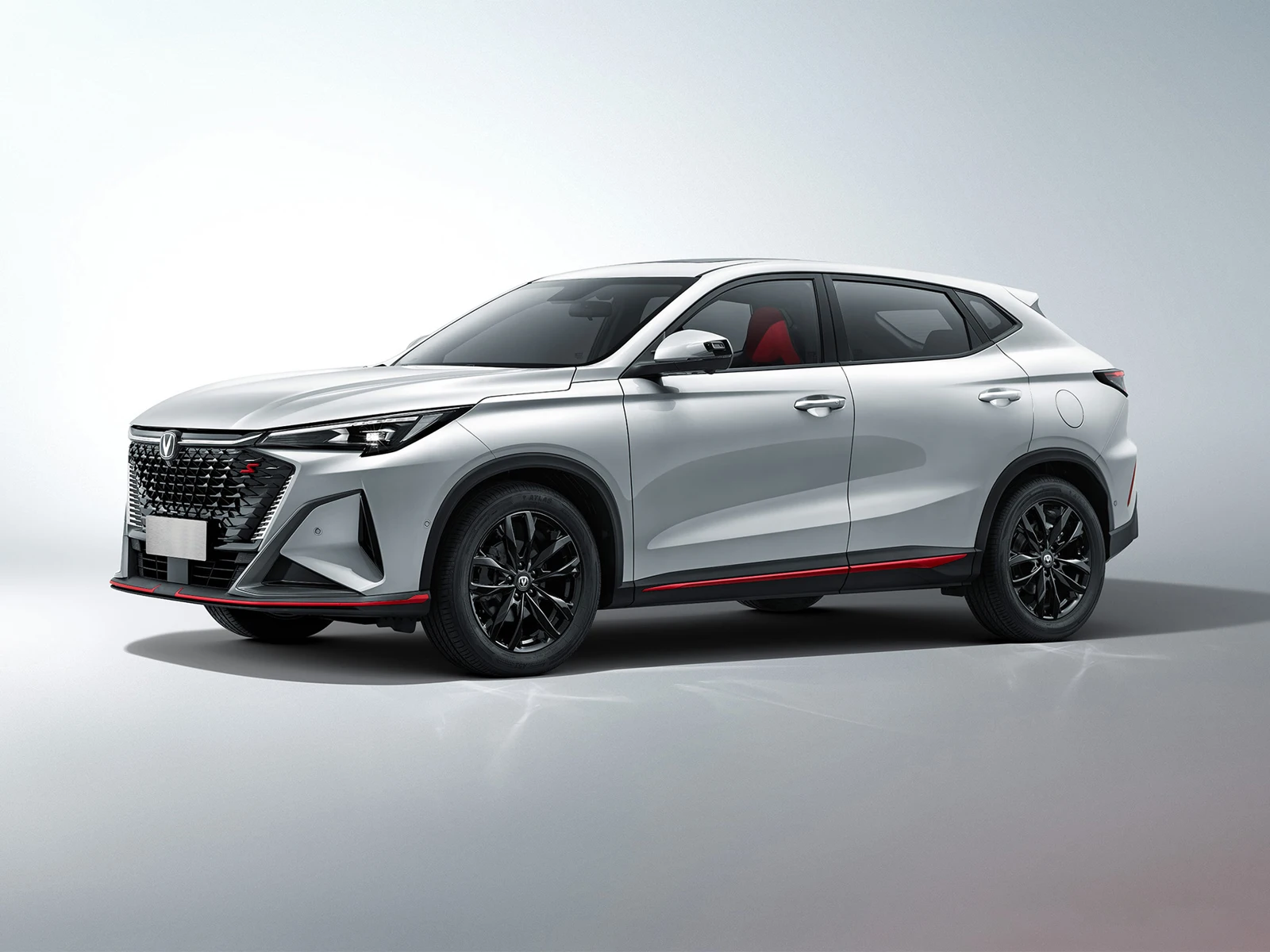
Manufacturer references
These sources support specific model statements. Candidate condition and transaction details need their own evidence.
State the requirement, the evidence needed and the decision that depends on it.
Build your X5 PLUS brief