
| What the buyer finds | Useful purchase decision |
|---|---|
| Both meet the essential task | Compare supported advantages and complete amounts |
| One required function is absent | Resolve that requirement first |
| Neither has adequate condition evidence | Request clarification or another candidate |
Make age, original name and status separate fields
Obtain original designation, production information and first-registration details where available. The name identity guide explains why brand wording is not a universal equipment or age conversion. Keep advertised model year distinct from build date. If one candidate is new stock and the other used, retain their different evidence requirements instead of making this only a year comparison. An ordinary X5 alternative is a separate model question. The two actual powertrains and current offers need their own records before the buyer assigns value to newer appearance or a seller’s description of a more advanced factory package.
Require essential functions before evaluating optional extras
List the customer’s normal passenger, parking, climate and phone tasks. Demonstrate the required arrangement on both vehicles where appropriate. The trim value guide separates necessities from presentation preferences. A newer base car fails the brief if a genuinely required function is absent; an older high-trim car fails if an essential feature is unresolved or unsupported. Do not assume the missing function can be added inexpensively without applicable compatibility and integration advice. Where both qualify, identify the remaining optional benefit instead of counting equipment items as if each provides the same value to every customer.
Read actual use and condition rather than an age stereotype
Review matched history and appropriate qualified inspection with scope and limitations. The used-car chronology distinguishes reported distance, periods of use and inactivity. A younger registration can carry substantial use or pending preparation; an older candidate can have stronger records or unresolved work. Do not predict remaining service life from either label. Ask qualified providers to interpret material findings. Keep a tidy cabin, successful short drive and absent warning separate from the broader assessment. Where an essential question remains unanswered, neither a newer date nor a higher equipment package establishes an acceptable result for the receiving customer.
Check support for the differences the buyer values
Give receiving providers the actual powertrain and important equipment identities. The support review keeps applicable parts and procedures with the car. Similar Changan and Oshan descriptions do not establish interchangeable support for every configuration. Confirm any warranty claim with the actual provider and territory. If useful high-trim equipment needs correction, obtain a defined proposal and relevant verification. A broad assurance that the brand is serviceable does not scope the necessary task. Keep regional online dependencies visible. The extra benefit needs a usable receiving arrangement rather than an impressive demonstration limited to the seller’s market or account.
Align the complete cost after supported preparation
Request dated quotes in an equivalent currency and delivery stage. The purchase worksheet makes missing items, necessary work and inclusions explicit. Add supported preparation without counting the same task twice. Keep essential unknown work outside a fixed minor allowance until assessed. A nominal saving may disappear when one car lacks working keys or requires confirmed correction. A higher price may buy better-supported condition rather than trim alone. Ask what reserve remains for ordinary use after the actual complete purchase, instead of choosing a vehicle whose optional package consumes funds the buyer still needs for essential preparation or receiving scope.
Use a case where the advantage is evidence rather than trim
Suppose both vehicles meet the required cabin tasks, but the older car has relevant completed work and the newer car awaits a material assessment. The older offer may deserve attention because its supported state is clearer, not simply because it has more equipment. Conversely, an older high-trim candidate with an essential unresolved concern does not become superior through extras. These are comparison scenarios, not claims about available stock or typical reliability. Preserve the exact evidence that changes the decision. The buyer should understand whether the remaining difference concerns optional benefits, actual condition or an incompletely defined proposition.
Choose a recorded useful advantage that survives handover
Retain selected identity, actual functions, completed work and limitations in the purchase schedule. Request another candidate if neither meets essentials. A substitute with the same trim or advertised year needs its own relevant review. Prefer the older equipped offer where its supported benefits and condition justify the complete amount, or the newer simpler car where it meets the task with a stronger evidence-adjusted budget. Avoid promising reliability, transferred manufacturer cover or resale from age and package alone. The receiving dealer should explain the chosen car through actual records without turning an Oshan or Changan label into a universal value rule.
Before choosing this offer
- Age and original identity separated
- Essentials verified on both cars
- Equivalent current assessment
- Useful differences supported
- Complete amount and reserve considered
Buyer questions
Does a newer registration prove the later configuration?
No. Keep production, advertised year, original designation and registration records separate.
Should the older high trim always win on equipment?
Only useful supported functions matter after essential condition and the complete purchase scope are assessed.
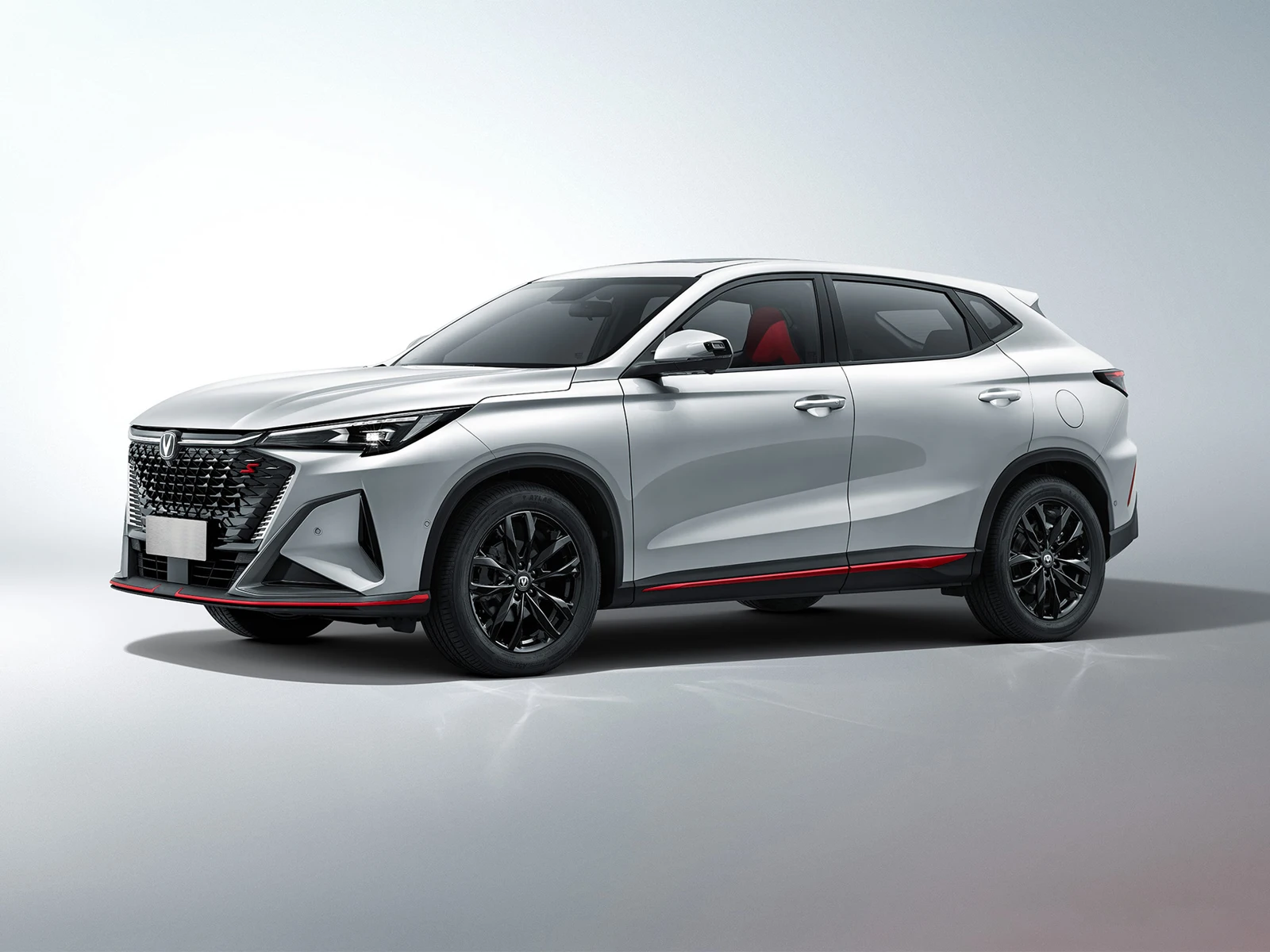
State the requirement, the evidence needed and the decision that depends on it.
Build your X5 PLUS brief