
| What the buyer finds | Useful purchase decision |
|---|---|
| Useful extras work and are supported | Compare the remaining complete premium |
| Simpler car meets all essentials | Evaluate the optional benefit honestly |
| Required function remains unverified | Resolve the claim before approval |
Compare identifiable configurations before counting extras
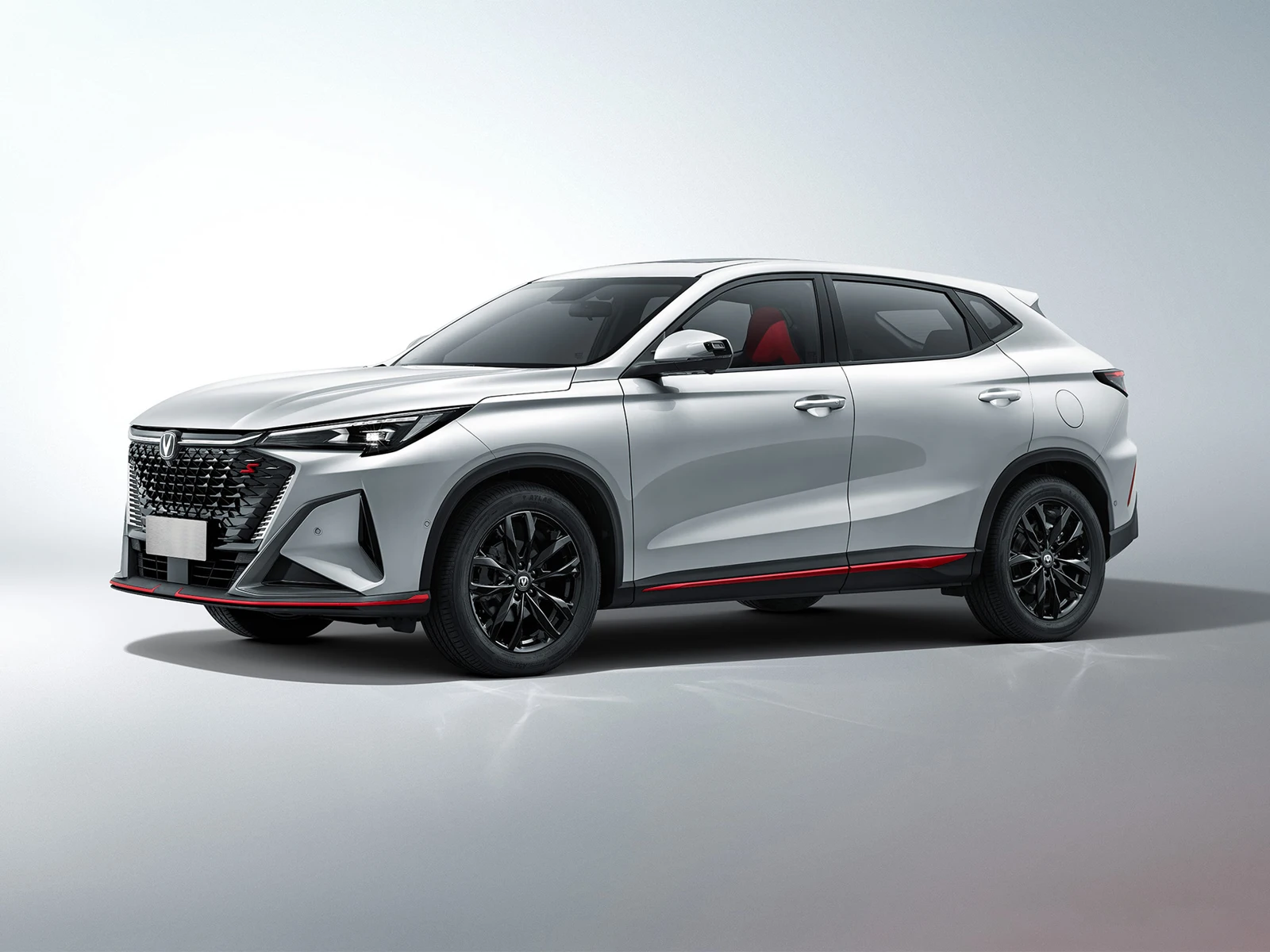
Request original model wording, production information, powertrain and status for each offer. The vehicle specification record provides the baseline. Ordinary X5 and X5 PLUS cannot become one trim comparison simply because a seller shortens the name. Changan and Oshan wording needs its own matched evidence rather than a presumed universal equipment conversion. Where generation or powertrain differs, record that difference independently. The buyer should see which part of the premium concerns fitted extras and which concerns a different vehicle proposition. A current regional brochure may explain a reference package without identifying the equipment supplied on either selected car.
Turn the customer’s routine into required functions
Ask what the driver and passengers need on an ordinary week. Name the relevant parking view, seating adjustment, climate control or phone task, then separate optional presentation preferences. The customer-fit review helps establish those tasks. A feature can be valuable without being essential to every buyer. Where the simpler car already meets requirements, the higher package needs a useful additional benefit rather than an assumption that more equipment is always better. Avoid paying for an unknown function because the seller calls it intelligent or premium. The purchasing brief should lead the equipment comparison, not be rewritten to justify whichever trim is being advertised.
Demonstrate the functions that change the decision
Request safe normal operation on each actual candidate, with applicable instructions and observed scope retained. The equipment review separates original fitment from usable current operation. A visible control is not an operating result, and another showroom unit cannot certify the selected vehicle. Keep offline controls and regional online dependencies distinct. If the buyer needs a connected function, establish its receiving availability through the responsible provider. A successful brief demonstration supports its circumstances rather than every future condition. An essential unverified claim remains a purchase question; an optional unverified claim should not become a supported reason for the whole premium.
Price equipment condition alongside the broader car
Obtain equivalent appropriate inspection and relevant history for both vehicles. A high-trim car can need more preparation than a simpler candidate; a base offer can also have consequential unresolved work. Use the complete quotation review to identify known required tasks, missing items and inclusions. Attribute stronger maintenance evidence or completed work to condition rather than automatically to trim. Unknown essential concerns need relevant professional assessment before being treated as minor allowances. The customer needs a comparison of actual prepared propositions, not two advert totals that conceal whether the valuable equipment and underlying vehicle are in an acceptable state.
Ask about the support behind the useful equipment
Give receiving providers the identities of systems that genuinely affect the choice. The support guide helps organise relevant components, procedures and instructions. Different screens, seats or assistance arrangements can require different support even where the exterior name is familiar. Confirm any coverage claim with its responsible provider and applicable territory. A factory feature does not prove every service is available abroad, while an added function needs its actual integration record. Request a complete supported proposal where correction is required. A generic statement that parts are obtainable does not establish the necessary work, compatible result or final amount for the selected configuration.
Evaluate a bundled premium without counting it repeatedly
If the higher package combines a wanted parking function with a roof and styling the customer only mildly prefers, compare the useful package as a whole. The roof value assessment provides a separate decision where that benefit matters. Do not assign the entire trim premium independently to every feature. Ask whether another adequately assessed car provides the essential function with a stronger remaining reserve. This example describes a comparison method, not an assertion about every factory X5 PLUS package. Actual candidate evidence determines what is included. Original retail option expenditure is not a compulsory current purchase value.
Preserve the accepted benefit with the selected vehicle
List actual inclusions, demonstrated functions, relevant completed work and limitations in the equipment schedule. A substituted car needs its own relevant assessment even when the seller uses the same trim name. Choose the higher package when its supported benefit and complete amount fit the brief, or a simpler acceptable offer where it provides the needed use more effectively. Ask for further evidence if neither qualifies. Describe the real advantage the receiving customer can use rather than promise guaranteed resale, uniform technology or identical manufacturer support for every vehicle sharing the X5 PLUS badge.
Before choosing this offer
- Underlying configuration matched
- Essentials and preferences separated
- Valuable functions demonstrated
- Condition and support priced
- Accepted inclusions retained
Buyer questions
Does a high-trim name prove the equipment?
No. Match original configuration, current fitment and relevant demonstrations to the selected vehicle.
Is the original option price the required current premium?
Assess present usefulness and the complete alternative offer. Previous retail expenditure does not establish today’s value.
State the requirement, the evidence needed and the decision that depends on it.
Build your X5 PLUS brief